About wire bundle Data cable
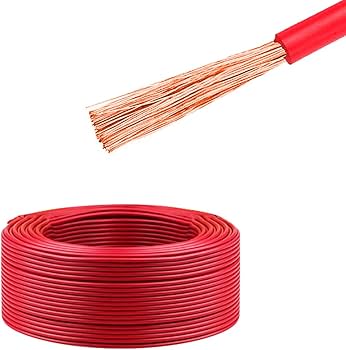
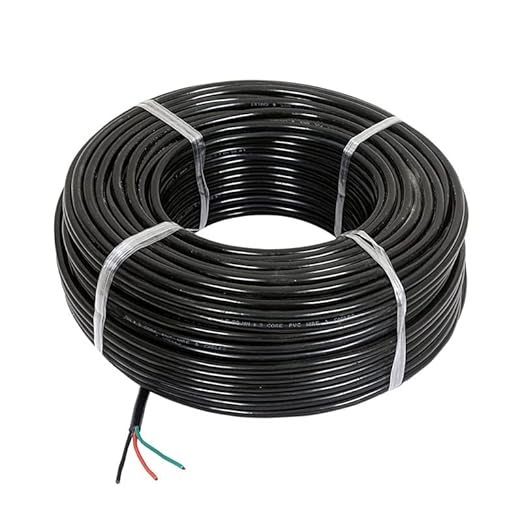
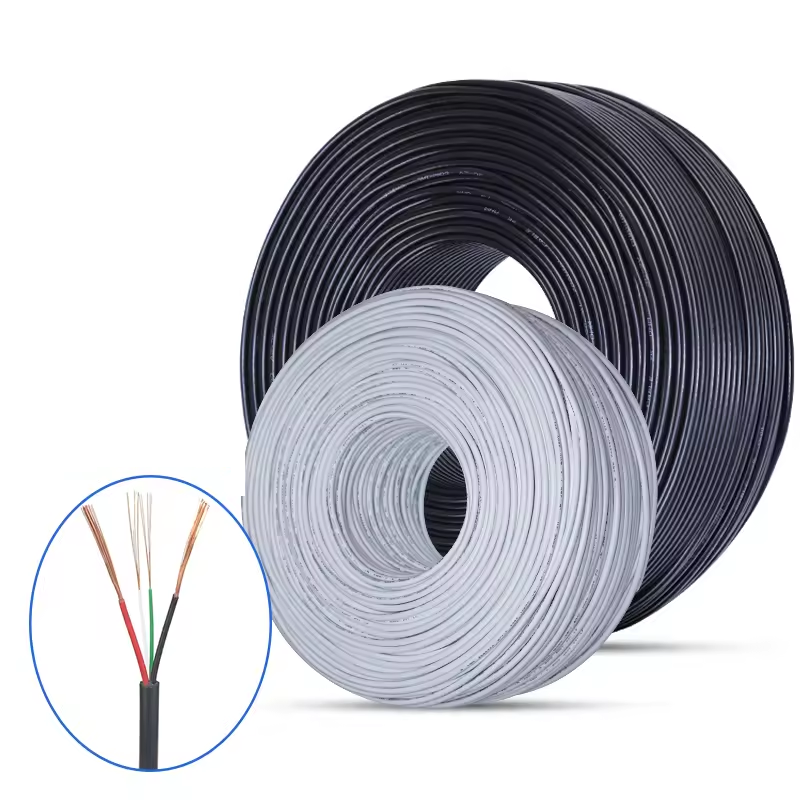
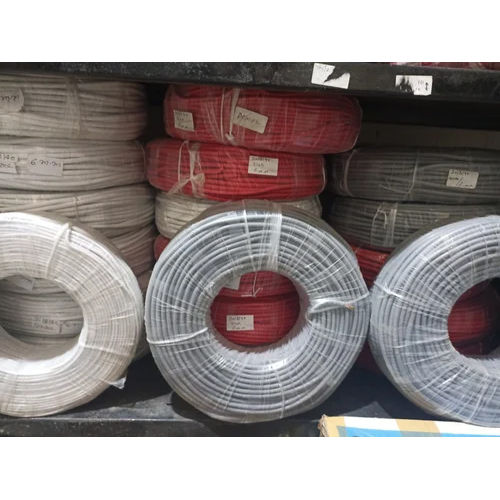
APS STAR Data Cable Wire Roll High Quality Wire Roll Total Lenth 184Mtr
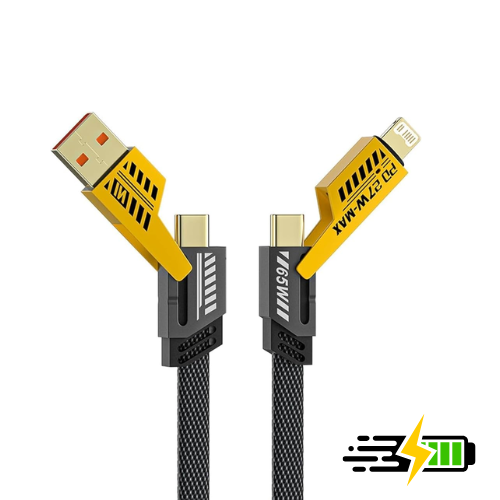
Type: Common types of data cables in rolls include Ethernet cables (such as Cat5e, Cat6, or Cat7), USB cables, HDMI cables, or coaxial cables. Each type serves a specific purpose in transmitting data for networking, video, or audio applications.
Flexibility: Some data cable rolls are designed to be highly flexible, which makes them easier to install in tight spaces, while others are more rigid for outdoor or industrial environments.
Uses: Data cable wire rolls are used in both residential and commercial settings for internet networking, setting up LANs (Local Area Networks), connecting devices in industrial automation systems, and even for long-distance data transmission in communications networks.
Reliable Data Transmission for Modern ElectronicsOur wire bundle data cables are designed to ensure secure and efficient data transfer between electronic devices, including computer peripherals and control panels. With tinned copper conductors inside durable PVC insulation, these cables provide optimal signal integrity, even amidst demanding indoor environments. The option for shielding further enhances protection against electromagnetic interference, making them a robust and versatile choice for data transmission tasks.
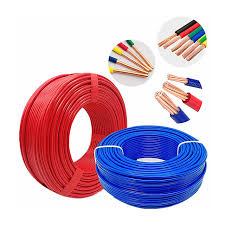
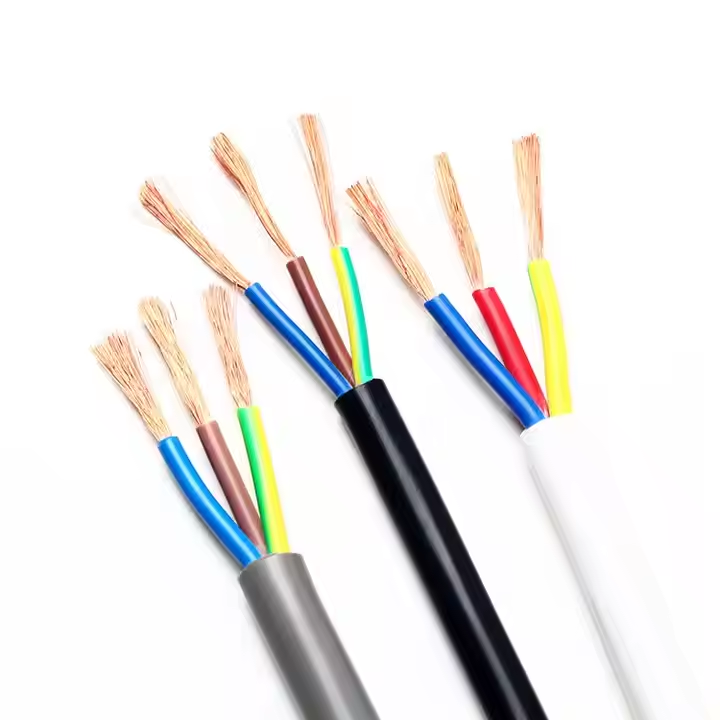
Flexible Design for Custom ApplicationsAvailable in multicolor, our cables feature 4 to 8 stranded cores, a diameter range of 3 mm to 8 mm, and customizable lengths to suit specific project requirements. Multiple connector options-bare ends or customized-add flexibility for easy integration into a range of applications, from signal transmission to intricate panel wiring. High tensile strength and a minimum 20 mm bend radius allow for hassle-free handling during installation.
FAQ's of wire bundle Data cable:
Q: How does the shielding option benefit my data transmission applications?
A: The optional shielding helps reduce electromagnetic and radio frequency interference, enhancing signal clarity in environments with potential electronic noise. This makes shielded cables especially beneficial for sensitive data transmission tasks or areas with multiple electronic devices in operation.
Q: What is the process for ordering customized cable lengths and connectors?
A: To order custom lengths or connectors, you simply specify your required cable size, length, and connector type when placing your order. We accommodate both standard 1-meter lengths and tailored dimensions, as well as various connector options to ensure compatibility with your systems.
Q: Where should these data cables be installed for optimal performance and safety?
A: These cables are intended for installation in indoor, controlled environments such as electronics panels, computer systems, and automation setups. Their flame-retardant and high-tensile strength features ensure reliability and safety in such locations.
Q: What applications are these wire bundle data cables suitable for?
A: They are ideal for data and signal transmission in electronics, computer peripherals, panel wiring, and any situation that requires multiple signal wires. The cables handle voltages up to 220V, current up to 2A, and frequencies up to 100 MHz, making them versatile for a range of data-centric tasks.
Q: When is it advantageous to choose unshielded versus shielded cables?
A: Unshielded cables are suitable for environments with minimal electromagnetic interference, offering cost efficiency and flexibility. Shielded cables are preferred in locations with high electrical noise, as they provide additional protection for sensitive data signals.
Q: What are the benefits of using tinned copper conductors in these cables?
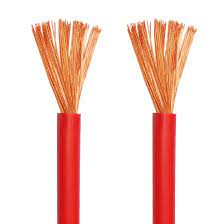
A: Tinned copper conductors resist corrosion, improve solderability, and enhance the cable's durability over time. This ensures stable performance, longevity, and reduced maintenance in various electronic applications.

 Send Inquiry




 Send Inquiry

 Send Inquiry